

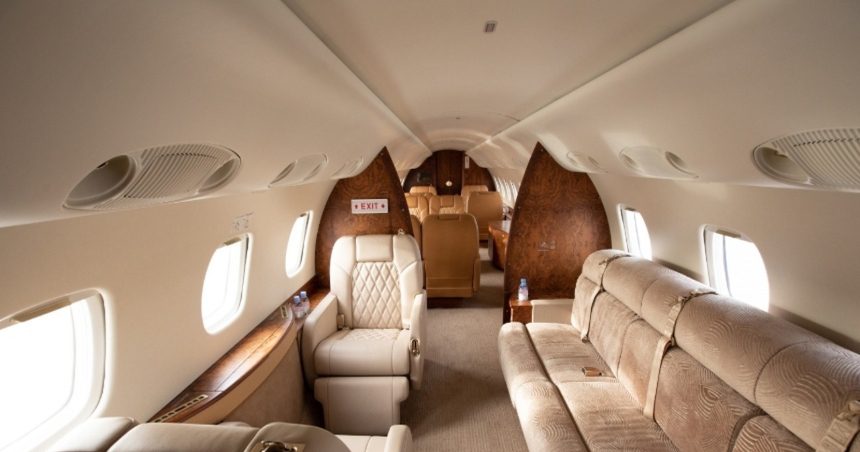
Nine Reasons to Choose Business Aviation
Driving Business Success Through Efficiency, Flexibility, and Productivity
Business aviation refers to the use of general aviation aircraft for corporate and business purposes. It plays a vital role for tens of thousands of companies across the United States, helping organizations of all sizes compete in an increasingly fast-paced and demanding marketplace. Approximately 85% of business aviation users are small and mid-sized businesses, many of which operate in regions where commercial airline service has been reduced or eliminated.
The decision to utilize business aviation depends on several factors, including the availability of commercial flights, the number of destinations to be visited in a day, the size of the traveling team, confidentiality requirements, transportation of specialized equipment, and other operational considerations.
Below are nine key reasons why businesses rely on aviation as an effective transportation solution.
1. Greater Flexibility
Business opportunities often arise unexpectedly, requiring quick action and rapid decision-making. Business aviation offers the flexibility needed to respond immediately to changing schedules, market demands, and customer needs.
2. Reliable Scheduling and On-Time Performance
Commercial airline disruptions can significantly impact business operations. Flight cancellations and delays are common, and limited seat availability on subsequent flights can create additional challenges. Business aviation provides greater control over travel schedules, helping ensure critical meetings and commitments are met on time.
3. Access to More Communities
Business aircraft can operate from more than 5,000 airports across the United States, compared with approximately 500 airports served by commercial airlines. This expanded access enables businesses to establish and support operations in smaller cities and rural areas that may lack adequate airline service.
4. Ability to Visit Multiple Locations in One Day
For companies that need to conduct meetings in several cities within a single day, business aviation can make such itineraries practical and efficient. It can also reduce travel-related expenses by minimizing the need for overnight stays, rental vehicles, meals, and other associated costs.
5. Supporting a Wide Range of Employees
Business aviation serves employees throughout an organization, not just senior executives. Studies indicate that only a small percentage of passengers are top-level managers, while the majority include sales professionals, technical specialists, customer representatives, and other key personnel who support daily business operations.
6. Efficient Transportation of Critical Equipment
When valuable, sensitive, or mission-critical equipment must be transported quickly, business aviation provides a dependable solution. It enables companies to deliver equipment rapidly while ensuring it receives the highest level of care and handling.
7. Enhanced Productivity and Security
Business aircraft function as mobile workspaces where employees can conduct meetings, collaborate on projects, and prepare for upcoming engagements during flight. In addition, the private environment allows confidential discussions to take place without concerns about eavesdropping or security risks.
8. Continuous Connectivity
Many business aircraft are equipped with advanced communication systems, including internet access and telephone connectivity. These capabilities allow travelers to stay connected with colleagues, clients, and operations throughout the journey, which is especially valuable during time-sensitive situations. “Business aviation is increasingly being recognized not only as a transportation solution but as a strategic business asset. The ability to save time, access multiple destinations efficiently, and maintain productivity during travel allows companies to make faster decisions and respond more effectively to market opportunities,” says Rustam Askerov, CEO of Liberty Charters
9. Stronger Shareholder Value
Research has shown that companies utilizing business aviation often generate stronger returns for shareholders compared to similar organizations that do not. By improving operational efficiency, responsiveness, and productivity, business aviation can contribute directly to long-term business performance.
Conclusion
Business aviation is far more than a mode of transportation—it is a strategic business tool. By providing flexibility, reliability, broader market access, enhanced productivity, and operational efficiency, it helps organisations overcome travel challenges and maintain a competitive advantage in today’s dynamic business environment.

How the next generation of air travel could connect private jets, vertiports and final destinations
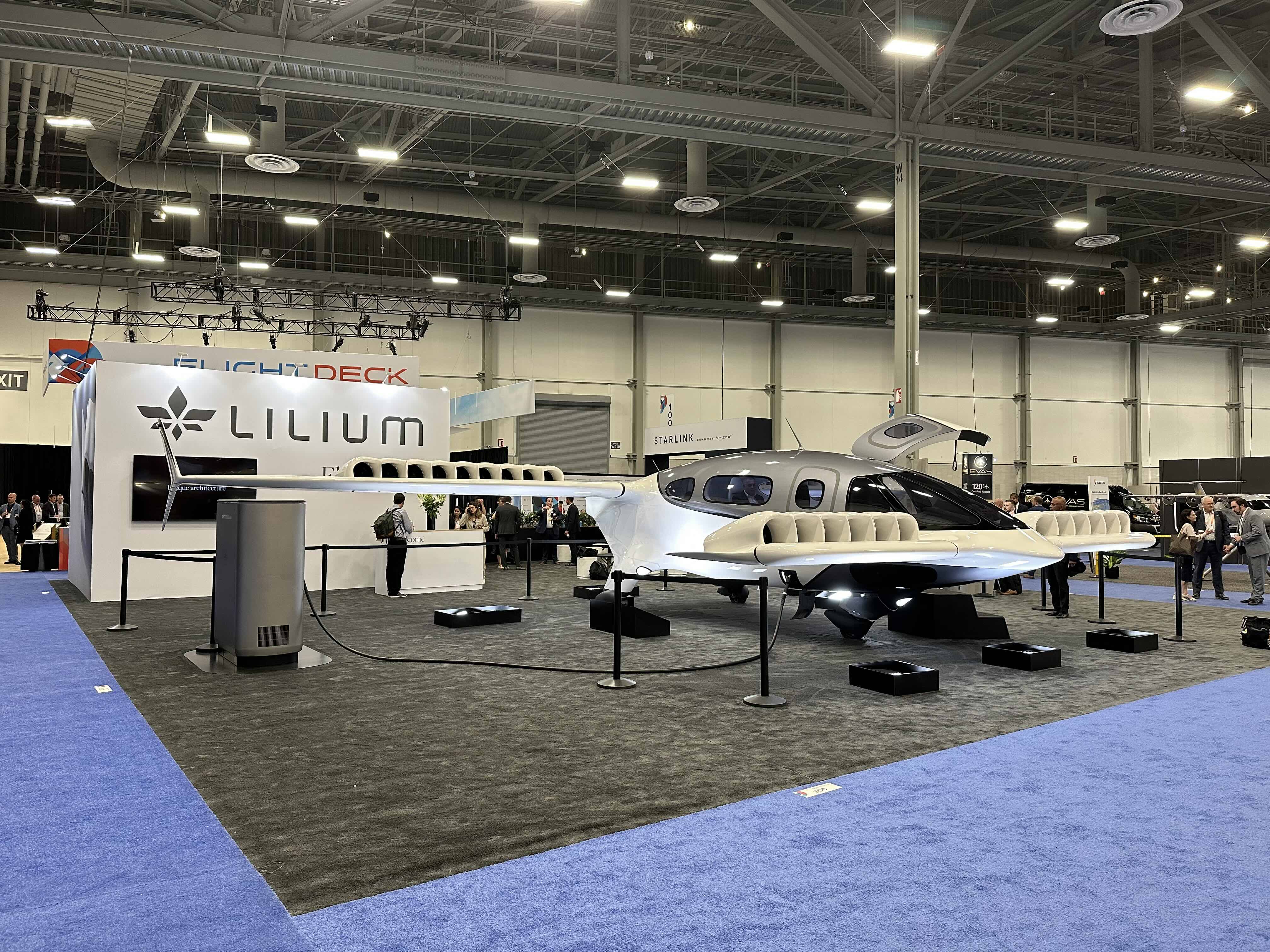
eVTOL Vertiport

Business aviation market 2025 vs 2026

High-speed internet access is quickly becoming a standard expectation in business aviation

Gulfstream G800. World Speed Record