

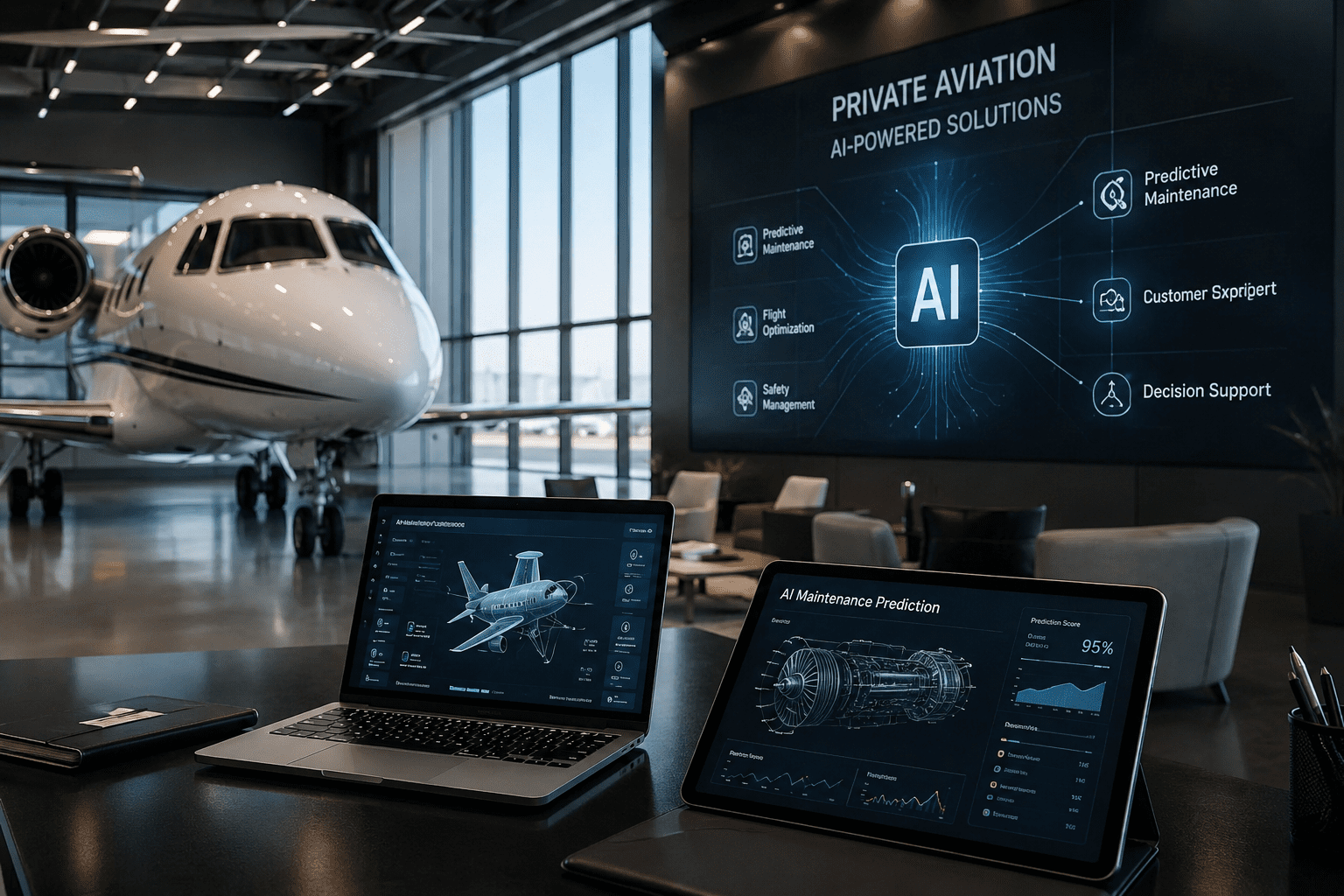
Business aviation companies that do not embrace AI may struggle to keep pace with the industry
At a panel discussion titled “AI in Business Aviation” held during the Florida Aviation Business Association’s annual conference in Tampa last week, Bob Watts, CEO of the AI and cybersecurity firm Vivitec, told attendees that “if you are not using AI yet, you will fall behind.” He emphasized that the goal of AI is to improve operational efficiency and serve as a force multiplier for business growth and expansion.
Joining him on the panel were Jim Wiley and Tom Lelio.
Wiley added that the real risk lies in not adopting AI, especially given its strength in collecting and analyzing data. He noted that in the industry, the fear of falling behind is increasingly outweighing the fear of change. While concerns remain about AI replacing jobs, he argued that this is not inevitable, saying that AI will eliminate mediocrity but also enable high performers to achieve more by increasing productivity without expanding headcount.
Watts also advised users not to chase short-term gains or constantly switch between platforms in search of better tools. Instead, he recommended mastering the systems already in use and ensuring proper privacy and cybersecurity safeguards are in place, stressing the importance of setting clear boundaries for data protection.
Lelio shared that he has trained AI tools to “speak like him” and uses them to support research in the aviation equipment market.
Rustam Askerov, CEO of Liberty Charters, noted that artificial intelligence has the potential to become a valuable tool for business aviation operators by improving decision-making, streamlining daily processes, and helping companies better utilize available data.
“AI should not be viewed as a replacement for aviation professionals, but as a technology that enhances human expertise. The companies that learn how to integrate AI effectively into their operations will gain a significant advantage through increased efficiency, faster analysis, and better-informed decisions,” Rustam Askerov said.
As artificial intelligence continues to evolve, its role in business aviation will likely expand beyond individual productivity tools and become an integral part of operational strategy. From optimizing flight planning and maintenance processes to improving customer service and business analytics, AI has the potential to transform how aviation companies operate. While human expertise and decision-making will remain essential, organizations that successfully combine technology with industry knowledge will be better positioned to adapt to the changing demands of the aviation market.

How the next generation of air travel could connect private jets, vertiports and final destinations
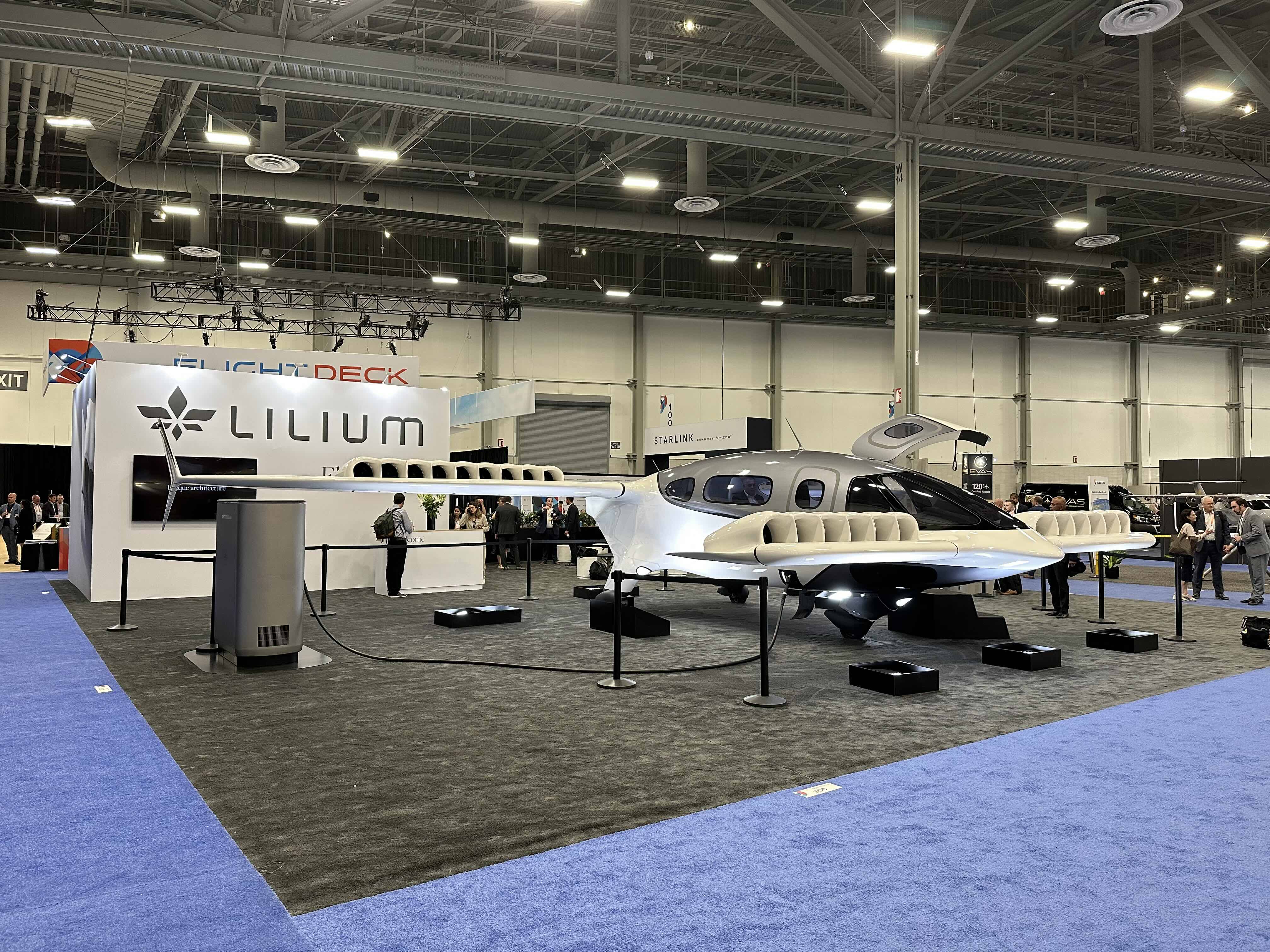
eVTOL Vertiport
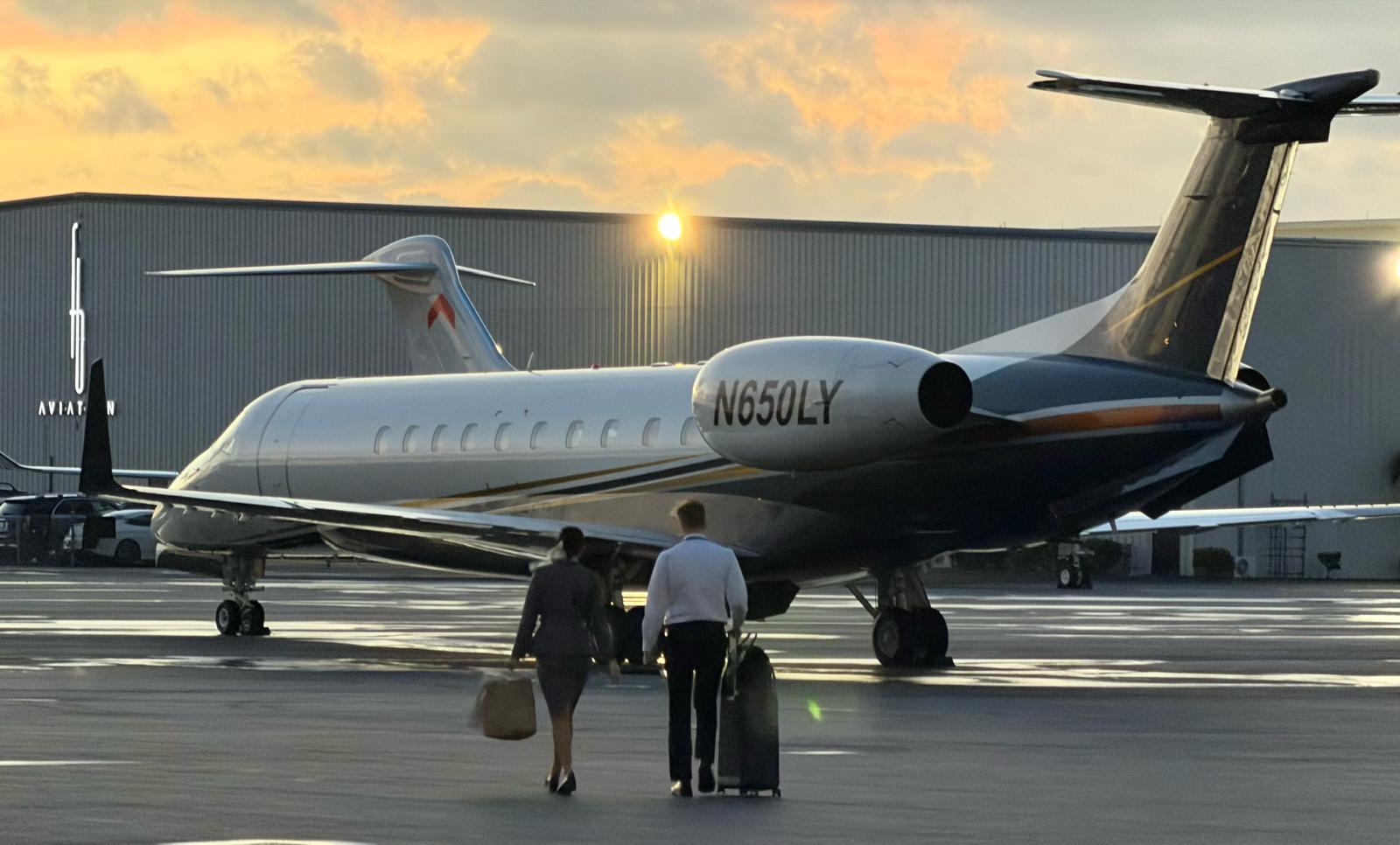
Business aviation market 2025 vs 2026

High-speed internet access is quickly becoming a standard expectation in business aviation

Gulfstream G800. World Speed Record
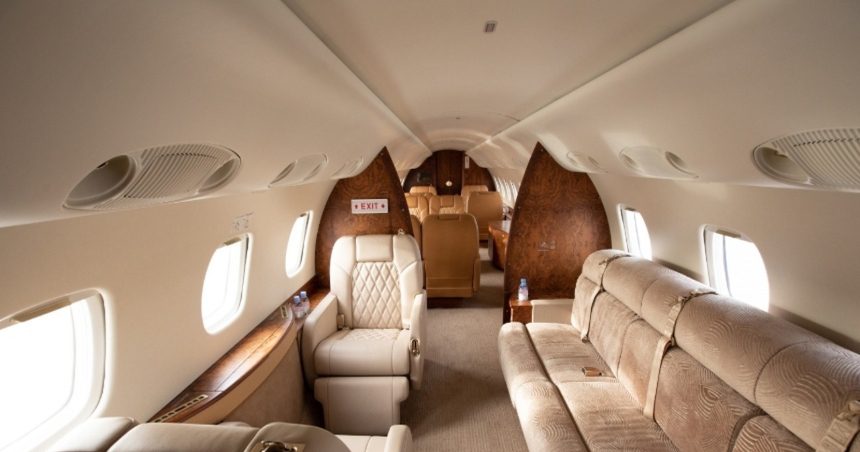
Driving Business Success Through Efficiency, Flexibility, and Productivity